Estimated reading time: 5 minutes
How Much Should You Spend on an Engagement Ring?
There’s no right number — only the right ring for your budget. At KP Gems, we’ve helped couples find extraordinary rings at $3,000 and at $30,000. What matters is knowing where quality actually lives at your price point, and how to maximize your investment. That’s exactly what a consultation with Kenny will show you, as most people never have access to wholesale-level jewelry pricing, but at KP Gems, every client does.

The most beautiful ring I’ve ever helped someone find wasn’t the most expensive one in the room. It was the right one — right cut, right stone, right for the person wearing it. That’s what forty years is for.
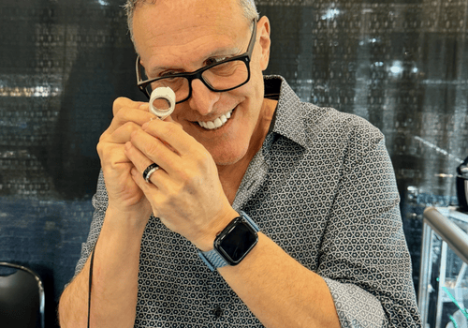
Kenny Phillips, GIA Graduate Gemologist
Consider Future Financial Goals
An engagement ring is one milestone among many. Before settling on a number, think honestly about what’s coming: the wedding itself, a honeymoon, a down payment on a home. Kenny asks every client these questions at the start of a consultation — not to talk you down, but because a ring that creates financial stress isn’t the right ring, no matter how beautiful it is. The goal is a purchase you feel proud of for decades, not just the day you buy it.
Be Transparent With Your Jeweler
Tell Kenny your real number. Not the aspirational one — the actual one. That’s where the conversation gets useful. With forty years of diamond sourcing and wholesale access, Kenny can show you exactly what your budget unlocks: which cut grades matter most, which clarity grades are invisible to the naked eye, where the value actually lives. No pressure to stretch. No upselling. Just an honest look at what’s possible — and what you can walk away with.
What Drives Diamond Pricing
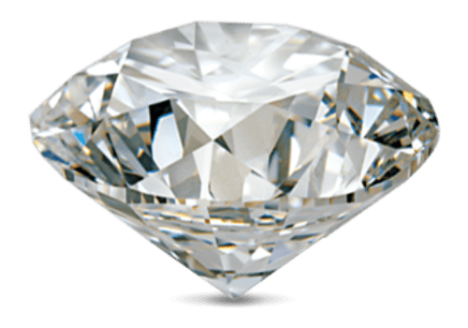
Most of a diamond’s price comes down to four factors — cut, color, clarity, and carat weight. Understanding how they interact is how you stretch a budget without sacrificing beauty.
Cut is the most important. A well-cut diamond reflects light brilliantly regardless of its size. It’s the one place never to compromise.
Carat weight drives price more than any other factor — but small differences make a big visual difference in price. A 0.92ct diamond looks virtually identical to a 1.00ct and costs meaningfully less.
Color is graded on a scale from D (colorless) to Z. For most settings, the difference between D and G is invisible once the ring is on a finger. Going from D to G can save hundreds without any visible trade-off.
Clarity measures internal inclusions. The vast majority are invisible without magnification. An VS2 or SI1 stone often looks identical to a flawless diamond in person — at a fraction of the price.
Kenny walks every client through these trade-offs in detail. You’ll leave the consultation knowing exactly what you’re buying and why.
Natural Diamonds vs. Lab-Grown
One question comes up in almost every budgeting conversation: should I consider a lab-grown diamond?
At KP Gems, we’ll work with whatever you decide — but we’ll make sure you decide with full information. Here’s what we tell every client honestly:
Natural diamonds are geologically rare, finite, and have held long-term resale value for generations. A well-chosen natural diamond retains value and can be resold, traded, or passed down.
Lab-grown diamonds are chemically identical to natural diamonds and cost significantly less upfront — which makes them appealing on a budget. But the market has shifted dramatically. Lab-grown diamond prices have dropped sharply in recent years and continue to fall as production scales. They currently carry little to no resale value, and KP Gems is not able to buy them back or accept them in trade.
If budget is the primary driver, a lab-grown diamond can get you a larger, higher-quality-looking stone for less money today. If long-term value, rarity, and the ability to resell or exchange matter to you, natural is the right choice.
Kenny will walk you through both options at your consultation — no agenda, just the facts. The decision is yours.
What Most Clients Discover
The most beautiful engagement rings are not always the most expensive ones. They’re the ones selected thoughtfully — the right cut, the right stone, the right setting for the person wearing it. Wholesale-level pricing means your budget goes further at KP Gems than it would at a retail store — often significantly. The goal isn’t to spend more. The goal is to choose intelligently, and that’s exactly what forty years of expertise is for.
The most beautiful ring I’ve ever helped someone find wasn’t the most expensive one in the room. It was the right one — right cut, right stone, right for the person wearing it. That’s what forty years is for.
Kenny Phillips, GIA Graduate Gemologist
Engagement Ring Budget FAQ
There’s no right number — only the right ring for your budget. At KP Gems, we’ve helped couples find extraordinary rings at $3,000 and at $30,000. What matters is knowing where quality actually lives at your price point, and that’s exactly what a consultation with Kenny will show you.
Engagement ring prices vary widely based on diamond size, cut quality, metal type, and whether the ring is custom designed. The national average runs $5,000–$6,500 — but averages are misleading. Two rings at the same price can differ dramatically in brilliance and craftsmanship. At KP Gems, wholesale pricing means your budget goes further than it would at a retail store.
Plan for four to six weeks minimum if you want a custom or sourced diamond. If you have a specific proposal date in mind, tell Kenny at the start of your consultation — he’ll work backward from that date to make sure everything is ready in time.
Financing is a personal decision. The most important consideration is whether the purchase fits your broader financial picture. Many clients choose to stay within savings or a comfortable monthly range — and at wholesale-level pricing, they’re often surprised how much ring that gets them. An engagement ring should symbolize commitment, not financial strain.