Estimated reading time: 3 minutes
Art Deco Jewelry
Geometry, Glamour, and Timeless Precision
Art Deco jewelry represents one of the most distinctive design movements in history. Defined by bold geometry, clean lines, and striking contrast, Art Deco pieces reflect the optimism and architectural innovation of the 1920s and 1930s. At KP Gems, we curate and evaluate authentic Art Deco jewelry in Austin, offering both estate pieces and expert guidance for collectors and enthusiasts.
A glamorous fusion of elegance and modernism — Art Deco jewelry is architectural, not ornamental.
KP Gems — Estate Jewelry Specialists

What Is Art Deco Jewelry?
Art Deco jewelry emerged between roughly 1920 and 1939, influenced by industrial progress, modern architecture, Egyptian and Eastern design motifs, and the Machine Age aesthetic. Unlike the organic curves of the Victorian and Art Nouveau eras, Art Deco emphasizes symmetry, angular shapes, and strong structural balance.
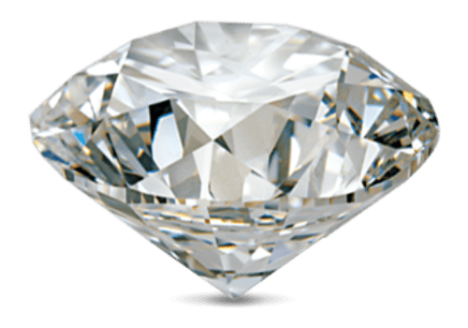
Common characteristics include platinum settings, geometric patterns, milgrain detailing, filigree work, calibré-cut gemstones, and Old European or early brilliant-cut diamonds.
Art Deco Engagement Rings
Art Deco engagement rings remain highly sought after for their structured elegance. Typical features include emerald-cut diamonds, Old European cut diamonds, step-cut side stones, intricate platinum frameworks, and bold geometric halos.
Gemstones in Art Deco
Art Deco designers favored contrast. Popular combinations included diamonds and sapphires, diamonds and emeralds, onyx with diamonds, and ruby accents in geometric frames. The sharp color contrast enhanced the architectural lines of the metalwork.
Platinum & Craftsmanship
Platinum became the dominant metal of the Art Deco era due to its strength and ability to support delicate openwork designs. Authentic Art Deco jewelry was often hand-fabricated, die-struck, and intricately engraved — craftsmanship that gives original pieces a presence difficult to replicate.
Estate Art Deco Jewelry
When purchasing Art Deco jewelry, authenticity matters. We evaluate construction methods, diamond cutting style, metal composition, design consistency with the period, and structural integrity. Some pieces labeled “Art Deco style” are modern reproductions — true period pieces reflect the techniques and materials of the 1920s and 1930s.
Custom Art Deco–Inspired Design
For those inspired by the era but seeking modern durability, we offer custom Art Deco–inspired jewelry design. Incorporate heirloom diamonds, recreate vintage geometry, use modern precision cutting, and maintain structural integrity.
Art Deco design remains relevant because it balances structure with brilliance. It appeals to those who appreciate clean lines, symmetry, architectural proportion, and strong visual presence. Unlike trend-driven styles, Art Deco jewelry feels intentional and disciplined — not nostalgic, but modern nearly a century later.
Major Art Deco Designers
- Coco Chanel (1883–1971) introduced innovative styles in Art Deco jewelry, using bold geometric shapes and luxurious pearls.
- René Lalique (1860–1945) was a revolutionary French designer renowned for mastering glasswork with intricate nature-inspired details set within precious metals.
- Cartier played a significant role in popularizing Art Deco jewelry worldwide, showcasing contrasting colors through delicate arrangements of gems within platinum settings.
Famous Art Deco Examples
- The Duchess of Windsor’s Panther Bracelet: Crafted by Cartier in 1952, featuring onyx spots adorned with diamonds against yellow gold.
- Van Cleef & Arpels’ Zip Necklace: Created in 1951 for the Duchess of Windsor, ingeniously combining functionality with glamour.
- Jean Desprès’ Cubist-inspired Bracelets: Recognized for bold geometric forms evoking Cubist art movements in precious metals.