Estimated reading time: 4 minutes
Wedding Ring History
The Timeless Symbol of Love, Commitment, and Continuity
The history of wedding rings spans thousands of years, crossing cultures, religions, and continents. While materials and designs have evolved, the meaning behind the wedding ring has remained remarkably consistent — an unbroken circle symbolizing eternity, unity, and enduring partnership.
Today, couples selecting wedding rings in Austin participate in a tradition that connects them to ancient civilizations, royal courts, and generations of families who marked commitment with the same simple gesture: the exchange of a ring.
Every ring carries history — but yours should also reflect your life today. Understanding where the tradition began helps you choose with meaning.
Kenny Phillips, G.G.
Ancient Origins: Egypt and the Circle of Eternity
The earliest recorded wedding rings date back to ancient Egypt. Couples exchanged rings crafted from braided reeds, hemp, or leather. The circular shape was deeply symbolic — representing eternity, wholeness, and an unending bond.
Egyptians placed rings on the fourth finger of the left hand, believing a vein — later called the vena amoris, or “vein of love” — ran directly to the heart. While modern anatomy has disproven this belief, the symbolism endured. The circle itself remains the most powerful design element in wedding ring history: no beginning, no end.
Ancient Rome: From Symbolism to Legal Commitment
The Romans adopted and formalized the tradition. Early Roman wedding rings were often made of iron, symbolizing strength and permanence. Over time, gold became the preferred material among the wealthy, representing status and stability.
Roman wedding rings were not merely romantic gestures — they also carried legal and social significance. Marriage in Roman society reflected property rights and family alliances. Over centuries, however, the symbolism shifted from ownership toward partnership. The material evolved. The meaning matured.
Medieval Europe: Faith and Ceremony
During the Middle Ages, wedding rings took on strong religious significance as the Church formalized marriage rites. Rings were often engraved with Christian symbols, prayers, or inscriptions of devotion.
One notable style was the gimmel ring, consisting of two interlocking bands. During betrothal, each partner wore one band. At the wedding ceremony, the bands were reunited to form a single ring — symbolizing union.
Another popular style of the Renaissance period was the posy (or poesy) ring, engraved with romantic verses inside the band. These inscriptions reflected personal devotion and remain an inspiration for modern engraved wedding bands.
The Rise of the Diamond Engagement Ring
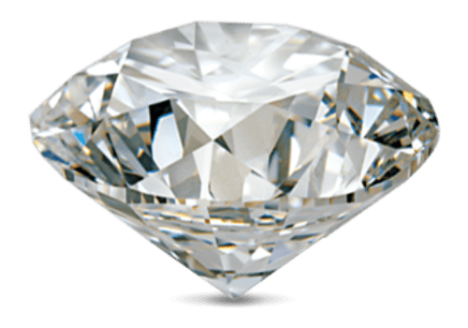
The modern diamond engagement ring tradition is often traced to 1477, when Archduke Maximilian of Austria presented a diamond ring to Mary of Burgundy. This royal gesture sparked a trend among European nobility.
However, diamond engagement rings did not become widespread until the 20th century. In 1947, De Beers launched the now-famous campaign: “A Diamond Is Forever.” The slogan reinforced the durability and permanence of diamonds and reshaped global engagement traditions.
Today, when couples explore engagement ring options — from classic solitaires to custom engagement ring mountings — they participate in a relatively modern tradition layered onto ancient symbolism. For guidance on diamond quality and grading, see our Diamond Guide.
Modern Wedding Rings: Personal Expression & Craftsmanship
In the modern era, wedding rings reflect individual identity as much as tradition. Popular materials include 14k and 18k gold, platinum, and contemporary metals such as titanium or tungsten.
Many couples choose custom wedding rings to reflect lifestyle, aesthetic preference, or heirloom inspiration. In Western cultures, wedding rings are typically worn on the left hand. In countries such as Germany, Russia, and India, they are traditionally worn on the right.
Cultural symbolism continues to evolve, but the circle remains constant. For those exploring men’s styles, see our guide to Men’s Wedding Bands in Austin.
Engagement Rings vs. Wedding Bands: A Historical Distinction
Historically, wedding bands predate diamond engagement rings by thousands of years. Engagement rings developed as a separate tradition, evolving significantly during the Renaissance and modern marketing eras.
Today, engagement rings often feature a center diamond, while wedding bands are simpler, worn daily as a continuous symbol of marriage. To understand the modern process of selecting or designing a ring, visit our Engagement Ring Process Guide.
The Enduring Meaning of the Wedding Ring
Despite centuries of change in materials, design, and ceremony, the wedding ring remains one of humanity’s most enduring symbols. It represents commitment, fidelity, continuity, and partnership.
Whether crafted from braided reeds in ancient Egypt or platinum in modern Austin, the circle carries the same message: a bond without end.
Choosing a Wedding Ring Today
Understanding the history of wedding rings adds depth to the decision — but selecting the right ring also requires practical guidance. When choosing a wedding ring in Austin, consider metal durability, lifestyle compatibility, long-term comfort, future resizing potential, and coordination with engagement ring design.
If you are ready to explore wedding rings or custom wedding band design, schedule a private consultation. Every ring carries history — but yours should also reflect your life today.